

Matters needing attention in the use of water-based silver paste passivator
Date:
2020-12-14
What is passivation? According to the American Society for Testing and Materials A380, passivation is "the removal of exogenous iron or iron compounds from the surface of stainless steel, and the removal of surface contamination by chemical dissolution, most typically with an aqueous silver paste passivation agent, but without significant impact on the stainless steel itself." In addition, it also describes passivation as "chemical treatment of stainless steel with a mild oxidizing agent (such as nitric acid solution) to enhance the spontaneous formation of a protective passivation film."
What is passivation? According to the American Society for Testing and MaterialsA380, passivation is "the removal of exogenous iron or iron compounds from the surface of stainless steel, and the removal of surface contamination by chemical dissolution, most typically with water-based silver paste passivators, but without significant impact on the stainless steel itself." In addition, it also describes passivation as "chemical treatment of stainless steel with a mild oxidizing agent (such as nitric acid solution) to enhance the spontaneous formation of a protective passivation film."
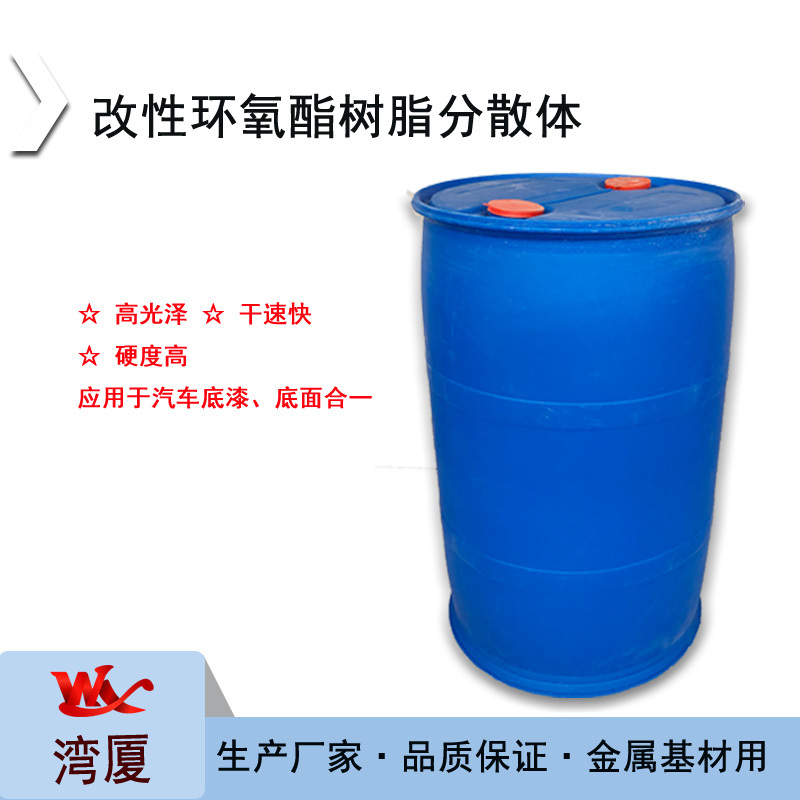
In order to prevent the galvanized layer from rusting, the most common method is to passivate the galvanized workpiece. The galvanized workpiece is immersed in the passivation solution to form a dense passivation film on the surface of the galvanized layer, which isolates the galvanized layer from the external corrosive environment and improves the corrosion of the galvanized layer.However, in the actual application process of customers, white rust will still appear on the surface of the workpiece after passivation with water-based silver paste passivation agent. Analysis of this phenomenon, there are three reasons:
One is the quality of the passivator itself. The anti-rust performance of the passivator is poor, resulting in poor anti-rust effect and white rust after passivation. It is recommended to choose the passivation solution with good anti-rust effect on the market. On the one hand, we should pay attention to the results of salt spray test and constant temperature and humidity test after passivation, on the other hand, we should also pay attention to the storage effect of the workpiece after passivation in the actual environment, that is, the stability of the overall performance of the passivation agent. So be sure to choose high quality water-based silver pulp passivator.
Second, the operation process is not standardized. On the one hand, the passivation process is not standardized, resulting in poor passivation film formation, low passivation effect, and white rust. On the other hand, when the passivation workpiece is polished in the later stage, the passivation film is damaged, resulting in poor anti-rust effect, and white rust appears on the damaged part of the passivation film. Diesel engine technical engineers suggest that in the actual passivation process, the standard operation should be carried out in strict accordance with the instructions in the product manual of the water-based silver paste passivator.
Three is the lack of drying after passivation, improper storage. For stacked and dense workpieces, such as angle iron, guardrail, etc., if it is not fully dried or penetrated by rain, due to the stacked and dense, once the moisture penetrates, it is not easy to come out, and the moisture remaining between the workpiece layers for a long time will accelerate the corrosion of the workpiece at high temperature, resulting in white rust. In this regard, it is suggested that the angle iron, guardrail plate and other densely stacked workpieces should be stored indoors. If it really needs to be placed outdoors, it should be covered with a rainproof cloth to avoid water accumulation inside the workpiece.
Water-based silver paste passivator
Related News

Focus on us

WEB
24-hour customer service hotline
Address: 501, 502 and 601, Building 4, Phase 2, Beijiao Qide Real Estate Park, Shunde District, Foshan City, Guangdong Province
Telephone:+86-757-23622292
Mobile:+86-13827784647
E-mail:wanxia_sd@163.com